Every construction project starts from the ground up quite literally. Before a single brick is laid or a foundation is poured, the condition of the soil must be addressed. If the soil lacks strength or stability, the structure above it is at risk. That’s where soil stabilization comes in.
But with so many soil stabilization methods available today, how do you know which one is best for your site? Making the right decision isn’t just about picking a technique. It’s about understanding your soil, your site’s needs, and the long-term goals of your project. In this guide, we’ll help you choose the right soil stabilization method that best suits your project while avoiding common pitfalls along the way.
Key Takeaways
- Choosing the right soil stabilization method depends on soil type, site conditions, load requirements, and long-term project goals.
- Common soil stabilization techniques include mechanical methods like compaction, and chemical treatments using lime, cement, or polymers.
- Understanding your soil through proper testing is the first and most important step in selecting the appropriate method.
- Factors such as weather conditions, groundwater levels, environmental impact, budget, and site access should all be considered during planning.
- Mistakes like skipping soil tests, focusing only on cost, or using a one-size-fits-all approach can lead to structural issues and increased expenses.
- A qualified geotechnical engineer can analyze site conditions, recommend tailored solutions, and guide proper implementation of ground stabilization methods.
- Working with an experienced soil stabilization contractor ensures the selected method is applied correctly for long-term stability and performance.
Table of Contents
What Is Soil Stabilization?
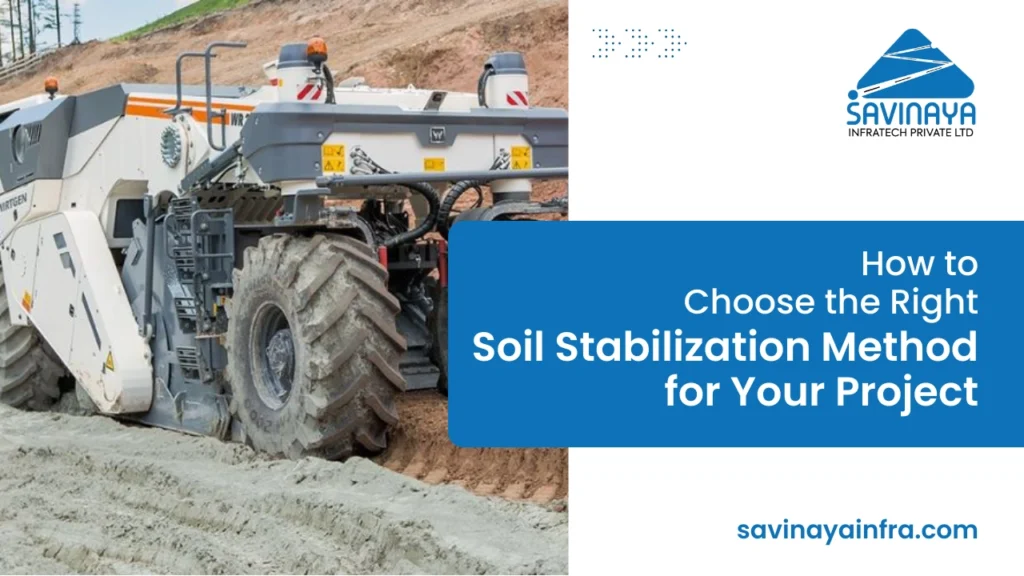
Soil stabilization refers to the process of enhancing the physical properties of soil to improve its load-bearing capacity, durability, and resistance to erosion or moisture. It’s a foundational step in construction, particularly in projects where the natural ground is too weak or unstable to support structures safely. There are various soil stabilization techniques, typically divided into two categories:
- Mechanical stabilization – involves compaction, reinforcement, or blending with other materials like gravel.
- Chemical stabilization – uses additives like lime, cement, fly ash, or polymers to change the properties of the soil.
Each method has its strengths and applications, making it vital to assess your soil conditions and project demands before choosing.
Selecting the right approach to soil stabilization for construction isn’t one-size-fits-all. It depends on various technical and practical factors. Below are key tips to help guide your decision:
Key Tips That Help You to Choose the Right Soil Stabilization Method
1. Understand Your Soil Type
Not all soils behave the same. Clay, silt, sand, and loam each react differently to various soil improvement methods. For example:
- Clay may benefit from lime stabilization
- Sandy soil might require cement or mechanical reinforcement
- Expansive soils often need chemical treatment and compaction
A thorough geotechnical investigation is the first step in making an informed choice.
2. Evaluate Project Scale and Load Requirements
Smaller residential projects may require different ground stabilization methods than large-scale infrastructure projects. If you’re building roads, bridges, or industrial facilities, your soil must support higher loads, demanding more robust soil stabilization services.
3. Factor in Weather and Drainage
Moisture content plays a big role in determining soil behavior. Wet or flood-prone areas may require waterproof or quick-setting soil stabilisation techniques like polymer-based treatments or cement-lime combinations. Proper drainage design should also be considered as part of the solution.
4. Consider Environmental Impact
Some chemical methods may affect groundwater or surrounding vegetation. Where environmental concerns are high, opting for eco-friendly or mechanical stabilization methods may be more suitable.
5. Set a Realistic Budget and Timeline
Some soil stabilization methods involve higher upfront costs but offer long-term savings by reducing maintenance and failures. It’s important to strike a balance between immediate budget limits and lifecycle performance.
6. Consult with a Professional
While it’s tempting to rely on general knowledge or what worked on a previous site, each location has its own unique challenges. Engaging an experienced soil stabilization contractor ensures that the chosen method is technically sound and properly executed.
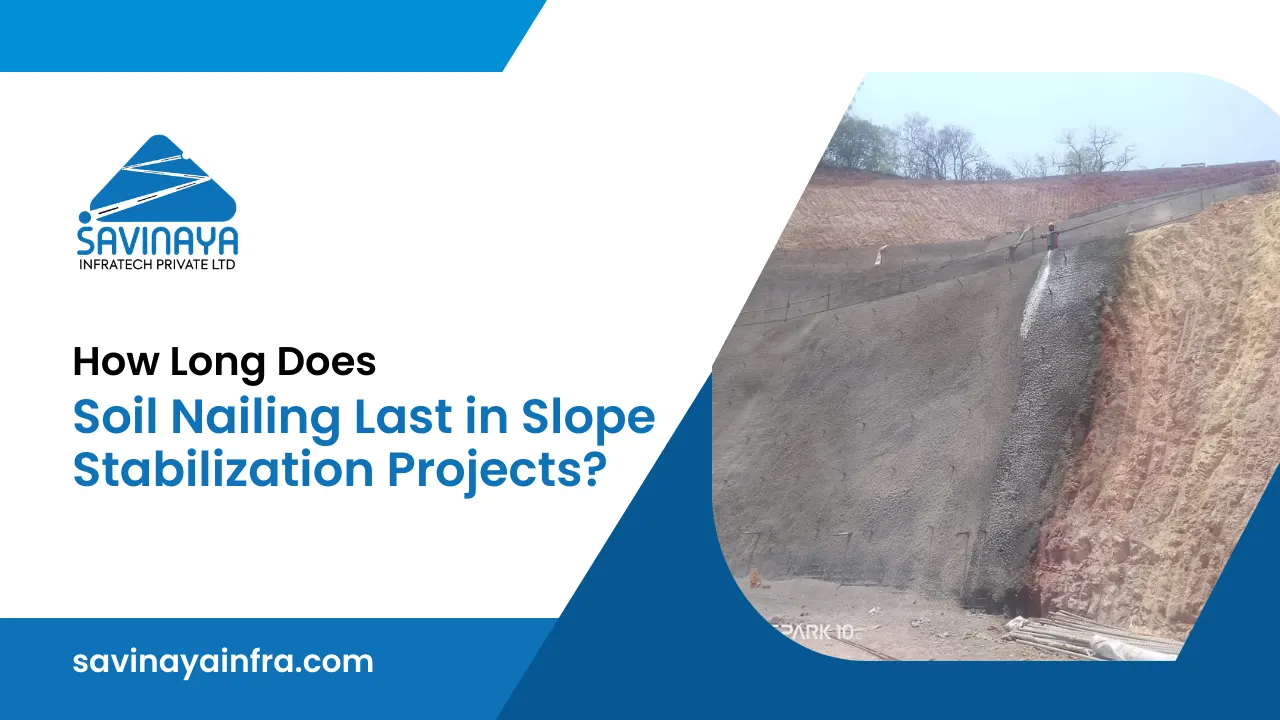
You May Also Read: How Does Soil Nailing Help Stabilize Slopes And Prevent Landslides?
Common Mistakes to Avoid When Choosing a Soil Stabilization Method
When trying to choose the right soil stabilization method, even experienced teams can make costly mistakes. Here are a few pitfalls to avoid:
1. Skipping Soil Testing
Choosing a method without understanding the exact soil composition and conditions often leads to failures or costly redesigns later in the project.
2. Focusing Only on Chepeast Option
Going for the cheapest option may save money initially, but could result in structural issues or costly repairs in the long run. Always balance cost with performance.
3. Using a One-Method-Fits-All Approach
Just because a method worked on a previous project doesn’t mean it’s right for the current one. Different soils and site conditions call for different soil stabilization techniques.
4. Ignoring Long-Term Performance
Some treatments may offer quick fixes but lack long-term durability. It’s important to consider weathering, erosion, and future load changes when selecting a method.
5. Overlooking Contractor Expertise
The best soil stabilization method can still fail if applied incorrectly. Always verify the experience and track record of your soil stabilization contractor before proceeding.
How a Geotechnical Engineer Helps You Choose the Right Method?
A geotechnical engineer plays a key role in analyzing soil behaviour and recommending the most appropriate soil stabilization techniques for your site. Here’s how they support your decision-making:
- Conducting detailed soil tests such as Standard Penetration Tests (SPT), Proctor Compaction, Atterberg Limits, etc.
- Assessing site conditions like water table level, slope stability, and load-bearing capacity.
- Recommending specific materials or chemical additives based on the soil’s characteristics.
- Designing stabilization plans tailored to your project type and budget.
- Coordinating with contractors to ensure proper implementation and monitoring.
Their input can help you avoid guesswork and ensure your selected soil stabilization solution meets both technical and safety standards.
Read our new blog on: How Does Geotech Engineering Ensure Structural Safety from the Ground Up?
Conclusion
Making the right decision when it’s time to choose a soil stabilization method is one of the most important steps in any construction project. The strength of your foundation depends on how well the ground beneath it is prepared.
By understanding your soil type, evaluating project requirements, avoiding common mistakes, and consulting the right professionals, you can select a method that ensures long-term success. At Savinaya Infratech, we provide expert soil stabilization services tailored to diverse construction needs.
Whether your project involves roads, foundations, railways or large-scale infrastructure, we help identify the right soil improvement methods with precision and care. Get a quote today.