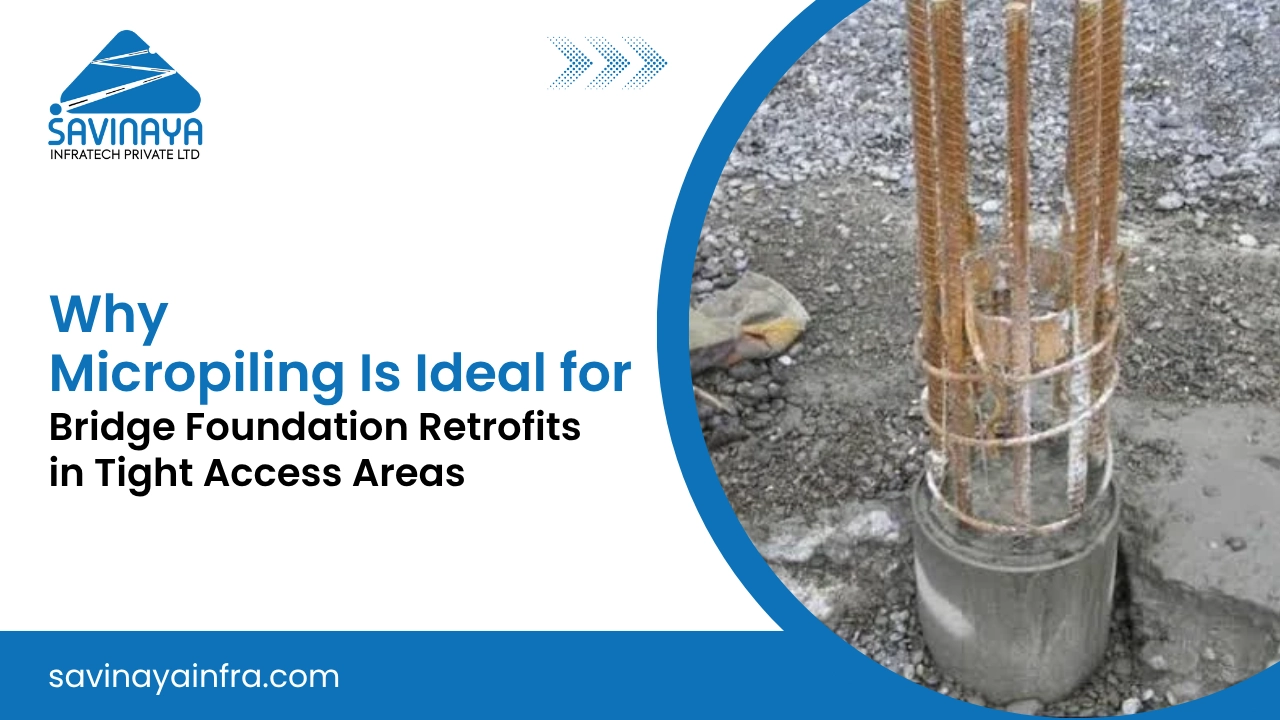

Foundation decisions are rarely straightforward. What works perfectly for one site can create challenges on another. This is where the comparison of micropiles vs conventional piles becomes important. Both systems are widely used, but they serve very different purposes depending on soil conditions, load requirements, and site constraints.
In projects where space is limited or ground conditions are unpredictable, micropiles often provide flexibility that traditional systems cannot. On the other hand, conventional piles remain a strong choice for large-scale construction with uniform ground conditions. Understanding the difference between micropiles and conventional piles helps engineers and project owners select a system that fits both technical and practical requirements.
Key Takeaways
- The choice between micropiles and conventional piles depends on site conditions, load requirements, and available space.
- Conventional piles are best for large projects with uniform soil and high load-bearing needs.
- Micropiles are ideal for restricted access areas, low headroom sites, and challenging soil conditions.
- Conventional piles are more cost-effective and faster for open, large-scale construction.
- Micropiles offer flexibility, minimal vibration, and are suitable for retrofitting existing structures.
- Final selection should consider soil profile, accessibility, structural load, and project constraints.
Table of Contents
What Are Conventional Piles?
Conventional piles are deep foundation elements designed to transfer structural loads to stronger soil or rock layers below the surface. These are typically large-diameter piles installed using methods such as boring, driving, or casting in place.
A conventional pile foundation is commonly used in high-rise buildings, bridges, and heavy infrastructure projects where significant load-bearing capacity is required. Systems like bored piles are a common example, often compared in discussions around micropiles vs bored piles. These piles rely on end-bearing, skin friction, or a combination of both to support loads efficiently.
What Are Micropiles?
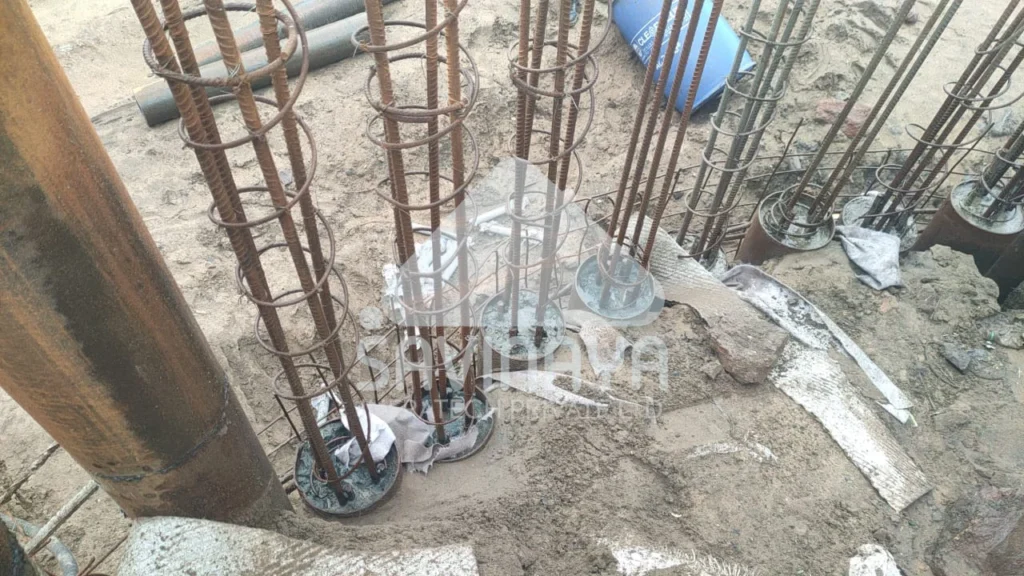
Micropiles are small-diameter piles, usually ranging between 100 mm to 300 mm, designed for applications where access is restricted or soil conditions are challenging. They are installed using drilling techniques and are reinforced with steel bars or casings.
A micropile foundation system is often used in retrofitting, slope stabilization, and projects where traditional equipment cannot operate easily. Because of their adaptability, they are widely used by a micropile contractor in urban and constrained environments. When comparing micropile foundation vs pile foundation, micropiles stand out for their ability to be installed with minimal disturbance.
Advantages of Conventional Piles
Key advantages of conventional piles:
- High load-bearing capacity suitable for large structures
- Efficient for uniform soil conditions
- Cost-effective for large-scale projects
- Faster execution in open sites with fewer restrictions
- Well-established construction methods
For projects with ample space and predictable soil profiles, conventional piles remain a reliable solution.
Limitations of Conventional Piles
Common limitations of conventional piles:
- Require large equipment and working space
- Not suitable for restricted or low-headroom areas
- Generate noise and vibration during installation
- Difficult to install in highly variable soil conditions
- Less flexible in retrofit or repair scenarios
These limitations of conventional piles often make them unsuitable for urban or sensitive environments.
Advantages of Micropiles
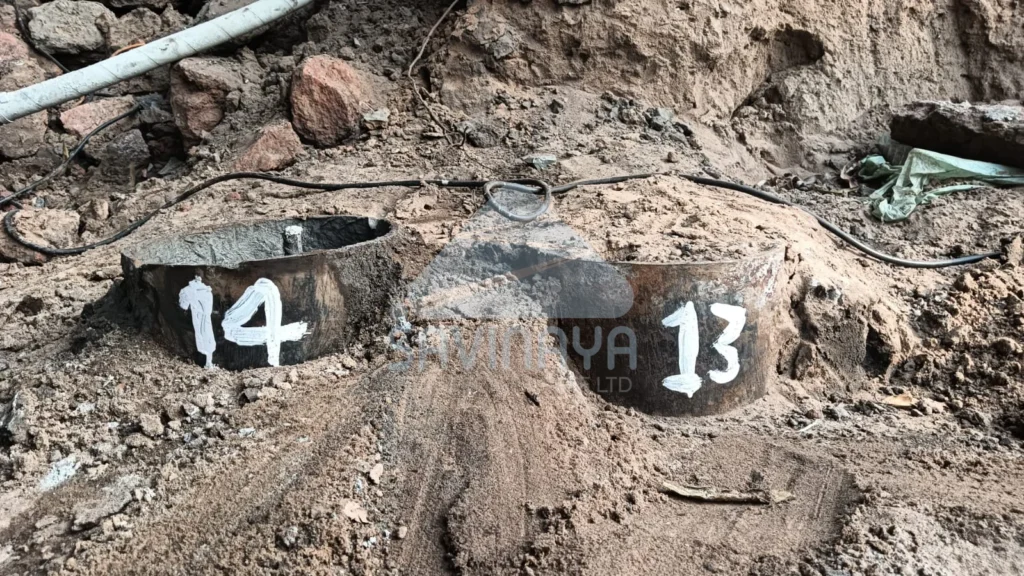
Key advantages of micropiles:
- Suitable for restricted access and low headroom sites
- Minimal vibration and noise during installation
- Effective in difficult soil and rock conditions
- Ideal for retrofitting existing structures
- Flexible installation angles and configurations
Because of these benefits, micropiles vs traditional piles often becomes a clear choice in complex or space-constrained projects.
Limitations of Micropiles
Common limitations of micropiles:
- Lower load capacity compared to large-diameter piles
- Requires skilled execution by a micropile contractor
- Installation process can be slower for large-scale projects
- Higher cost per unit in some cases
Understanding the limitations of micropiles helps in deciding when they are the right fit and when they are not.
You May Also Read: How to Choose the Right Micro Piling Contractor
Micropiles vs Conventional Piles: Key Differences
When comparing micropiles vs conventional piles, the choice depends on project conditions rather than just technical preference.
Major differences:
- Size and Diameter
Micropiles are small-diameter piles, while conventional piles are larger and designed for heavy loads.
- Installation Method
Micropiles use drilling techniques with minimal disturbance, while conventional systems often involve heavy machinery.
- Site Conditions
Micropiles perform better in restricted or complex sites, while conventional piles are suited for open areas.
- Load Capacity
Conventional piles typically support higher loads compared to micropiles.
- Flexibility
Micropiles offer greater adaptability in design and installation angles.
This comparison clearly highlights the difference between micropiles and conventional piles in practical scenarios.
You May Also Read: Key Benefits of Hiring Professional Micro Piling Contractor
Cost Comparison: Micropiles vs Conventional Piles
Cost plays an important role when selecting between micropiles vs conventional piles.
- Micropiles cost is generally higher per unit due to specialized equipment and skilled labor
- However, they can reduce overall project costs in constrained sites by avoiding excavation and access modifications
- Conventional piles are usually more economical for large, open projects with consistent soil conditions.
The final cost depends on project complexity, accessibility, and execution requirements rather than just material or installation rates.
Micropiles or Conventional Piles: How Do You Choose the Right Foundation System
Choosing between micropiles vs conventional piles depends on several project-specific factors.
Consider the following:
- Site accessibility and working space
- Soil conditions and variability
- Load requirements of the structure
- Presence of existing structures or constraints
- Project timeline and execution flexibility
For tight or complex sites, working with a minipiling company or experienced micro piling contractor helps ensure proper implementation of micropiles. For large-scale projects, a conventional pile foundation may be more practical.
Conclusion
The choice between micropiles vs conventional piles is not about which system is better overall, but which one fits your project conditions. Each has its strengths and limitations, and selecting the right one requires a clear understanding of site constraints, load requirements, and construction feasibility.By evaluating these factors carefully and working with experienced professionals, you can ensure that your foundation system supports long-term structural performance without unnecessary complications.