Every strong structure begins not with steel or concrete, but with the soil it stands on. While the superstructure gets the spotlight, it’s the ground beneath that quietly carries the load. This is where geotech engineering becomes important. Before any building rises or a foundation is poured, geotechnical engineers are at work, analyzing, testing, and designing solutions that help protect structures from future failure.
In this blog, we explore how geotech engineering contributes to structural safety from the very beginning, what ground risks can threaten a project, and how professionals in this field bring stability and confidence to construction.
Key Takeaways
- Geotech engineering plays a vital role in construction by analysing and preparing the ground to support safe, stable structures.
- Common ground risks such as soil settlement, expansive soils, high water tables, and slope instability can seriously compromise structural safety if not properly addressed.
- Geotechnical engineers conduct soil investigations, evaluate ground behaviour, and recommend appropriate foundation systems based on site-specific data.
- A wide range of geotechnical engineering solutions, including soil stabilization, grouting, deep foundations, soil nailing, and drainage systems, are used to enhance ground stability.
- Involving a reliable geotechnical engineering company early in the project helps prevent costly errors, delays, and structural failures.
- Overlooking geotechnical planning, skipping soil tests, or using generic foundation designs are common mistakes that can affect long-term performance.
- Structural safety truly begins from the ground up, and professional geotechnical engineering services ensure that every project is built on a solid foundation.
Table of Contents
Understanding the Importance of Geotech Engineering in Structural Safety
Geotechnical engineering focuses on understanding soil, rock, groundwater, and other subsurface conditions that influence structural performance. It goes far beyond just digging test pits. This field helps ensure buildings, bridges, roads, and other infrastructure remain safe, stable, and functional over time.
When applied properly, geotech engineering can identify potential ground-related issues early in the design phase. It also helps project teams design foundation systems that are compatible with existing soil conditions. The result is a structure that remains stable and performs as intended from the ground up.
What are the Ground Risks That Threaten Structural Stability?
Ignoring what lies underground can lead to costly and sometimes dangerous consequences. Several ground-related factors can compromise structural safety:
- Soil Settlement: Uneven or excessive settlement can cause cracking, tilting, or instability in structures.
- Expansive Soils: Some soils expand with moisture and shrink when dry, placing pressure on foundations.
- Slope Instability: Hillsides or sloped ground can shift or slide, especially after heavy rain.
- High Water Tables: Excess moisture in the soil can weaken foundations and lead to water-related damage.
- Weak Bearing Capacity: Some soil types cannot support heavy loads and need improvement.
- Liquefaction in Seismic Zones: During earthquakes, certain saturated soils lose strength and behave like liquid, leading to sudden failure.
A proper site assessment from a geotech engineering company helps identify and address these risks before construction begins.
How Geotech Engineering Ensures Structural Safety for Your Project?
Geo tech engineers combine testing, analysis, and design to support safe construction practices. Here’s how they contribute to a stable project:
1. Site Investigation and Soil Testing
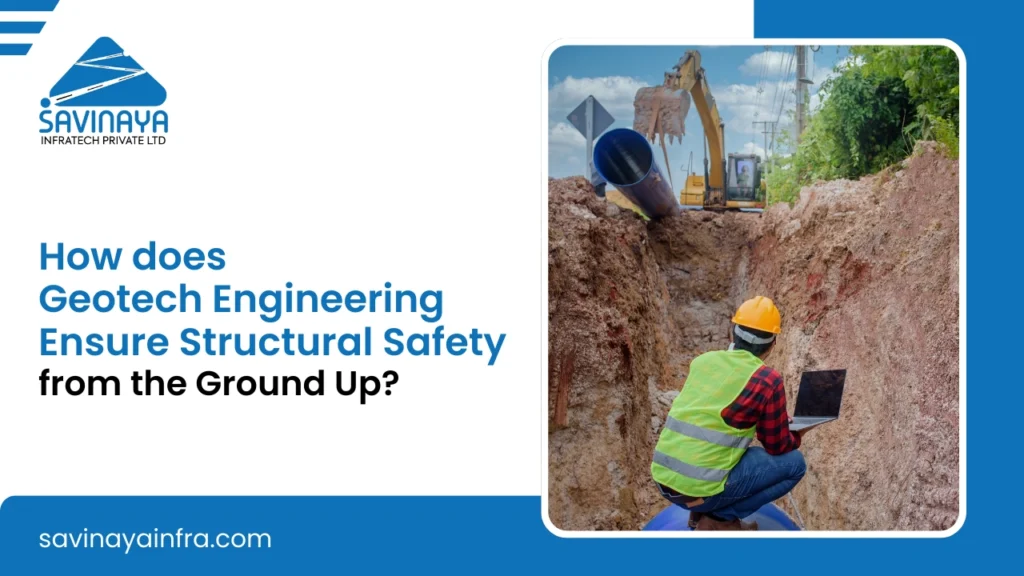
Engineers gather soil samples using boreholes and perform laboratory testing. This helps determine key soil characteristics such as compaction, plasticity, moisture content, and strength.
2. Ground Behaviour Analysis
Using modelling tools, engineers analyze how the ground will behave under load, during excavation, or under changing environmental conditions.
3. Foundation Design Support
Engineers provide design guidance based on soil data. They may recommend shallow footings, deep foundations, piles, or raft slabs depending on load and site conditions.
4. Risk Mitigation Planning
If challenges such as water pressure, poor drainage, or soft soils are identified, engineers propose geotechnical engineering solutions like soil reinforcement, soil nailing, retaining structures, or dewatering systems.
5. Monitoring and Quality Control
Some projects benefit from ongoing site monitoring to detect movement, vibration, or stress in real time. Geo tech engineering services often include this level of support to ensure construction continues safely.
Geotechnical Engineering Solutions for Ground Stability
There are several geotechnical engineering services available to improve soil strength and reduce instability. Some of the most common include:
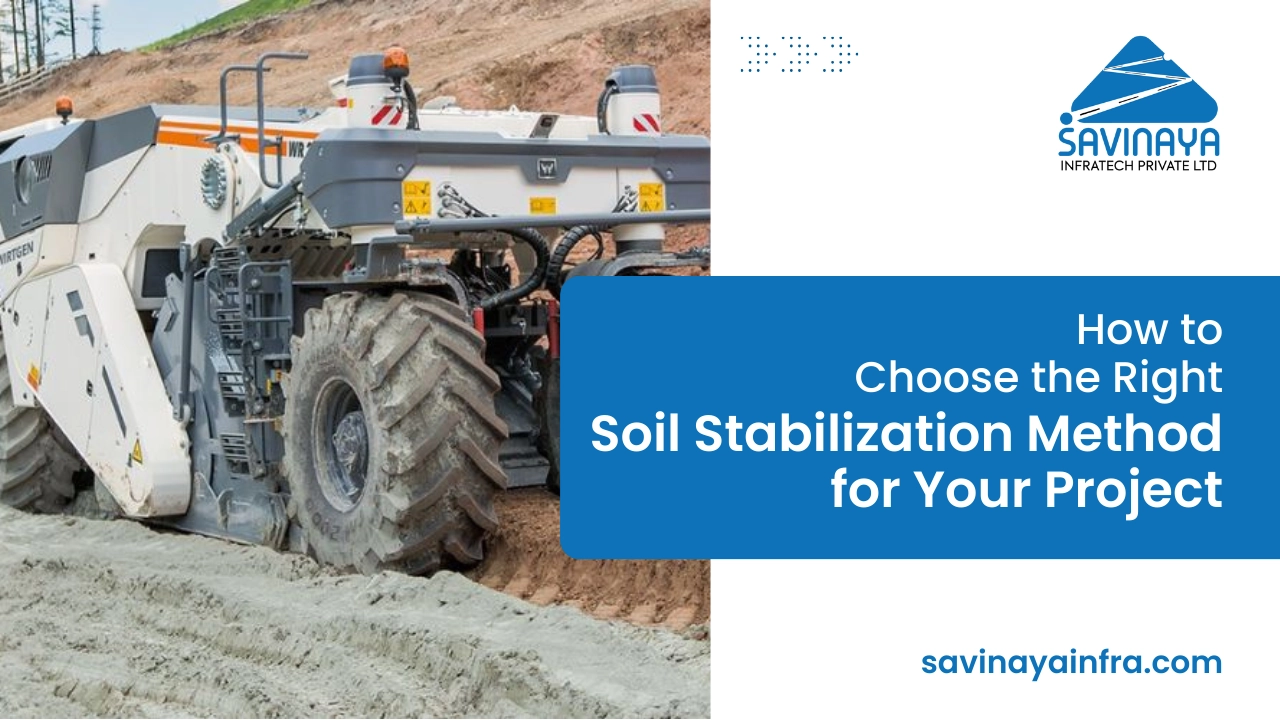
- Soil Stabilization: Lime, cement, or chemical additives are used to improve soil behaviour.
- Grouting and Jet Grouting: Cementitious or chemical materials are injected into soil to increase strength and fill voids
- Reinforced Soil Structures: Steel or synthetic reinforcement helps stabilize embankments and walls
- Micropiles and Deep Foundations: Load is transferred to deeper, more stable soil layers
- Retaining Systems: These include sheet piles, gabion walls, and soil nails for lateral support
- Drainage and Dewatering: Controlling water around the foundation helps reduce hydrostatic pressure and prevent soil erosion.
- Soil Nailing: This method strengthens existing slopes or excavations by reinforcing the soil mass from within, making it ideal for stabilization in tight spaces or steep cuts.
A qualified geotechnical engineering company selects the right combination of solutions based on site-specific needs and structural goals.
Common Mistakes That Compromise Structural Safety
Many construction problems begin underground, long before cracks appear on the surface. Here are common mistakes that can weaken structural safety:
- Skipping soil investigations or relying on surface observations.
- Using standard foundation designs without adjustments for site-specific conditions.
- Overlooking seasonal water table changes or drainage requirements.
- Underestimating geological hazards such as landslides or seismic risk.
- Hiring general contractors instead of experienced soil and foundation engineering experts.
- Delaying the involvement of geotechnical engineers until construction is already underway.
Addressing these issues early in planning can save time, money, and future repairs.
You May Also Read: How Does Soil Nailing Help Stabilize Slopes And Prevent Landslides?
Final Thoughts
Structural safety begins below the surface. Geotech engineering provides a clear understanding of ground conditions and how they influence construction. This knowledge helps prevent problems, supports better decision-making, and strengthens the foundation of every project.
For industrial developments, residential buildings, or infrastructure works, involving a skilled geotechnical engineering company early in the process improves project stability and long-term performance. At Savinaya Infratech, our experienced geotechnical engineers offer detailed investigations, practical recommendations, and tailored geotechnical engineering solutions.
Get in touch with us to get reliable geo tech engineering services that help your structure stand strong from the ground up.