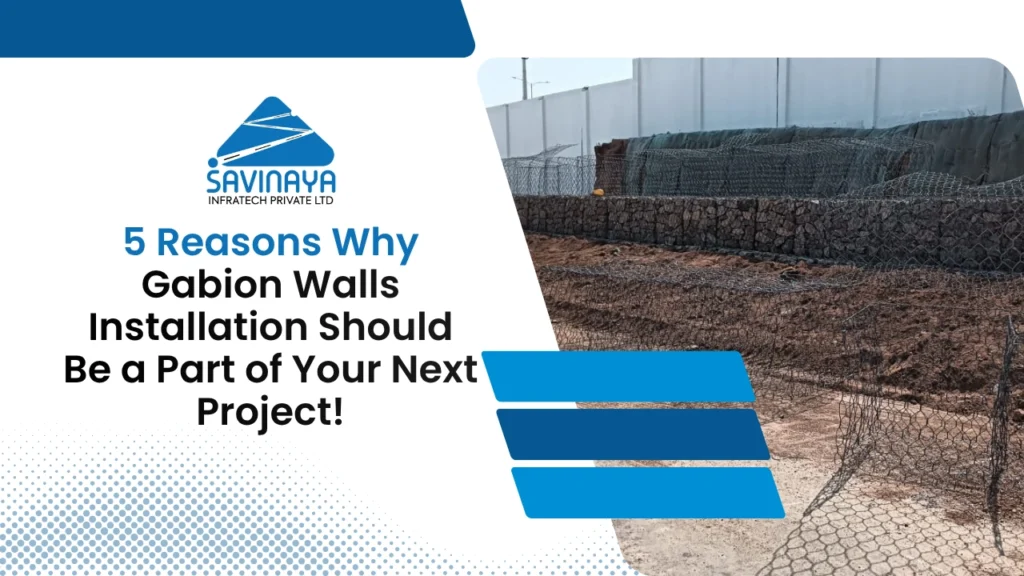
Infrastructure and landscape projects often require reliable solutions to control soil erosion, stabilize slopes, and support retaining structures. Engineers frequently look for construction methods that are durable, adaptable to ground conditions, and cost-efficient. One such solution widely used in civil engineering is Gabion wall installation.
Gabion walls are structures made from wire mesh baskets filled with stones, arranged to form strong retaining systems. These structures are commonly used in slope stabilization, riverbank protection, highway projects, and landscaping works.
The growing popularity of Gabion wall construction comes from its practical advantages, including flexibility, drainage capability, and long-term durability. Understanding the benefits of Gabion walls helps project planners determine why these structures can be a valuable addition to modern infrastructure projects.
Key Takeaways
- Gabion wall installation offers strong erosion control and slope stabilization.
- Natural drainage in gabion walls reduces water pressure and improves stability.
- The benefits of gabion walls include cost efficiency and faster construction.
- Flexible structure allows gabion retaining wall systems to adapt to ground movement.
- Gabion wall construction supports environmentally friendly and sustainable projects.
- Long lifespan and low maintenance make gabion walls installation a reliable solution.
Table of Contents
5 Main Reasons Why Gabion Wall Installation Should Be Part of Your Next Project
Several practical factors make Gabion wall installation a reliable solution in modern infrastructure and slope stabilization projects.
1. Excellent Drainage and Reduce Water Pressure
One of the major advantages of Gabion walls is their natural drainage capability. Unlike solid concrete structures, Gabion walls allow water to flow through the gaps between stones.
This permeability helps prevent the buildup of hydrostatic pressure behind the wall. Excess water pressure is a common cause of failure in traditional retaining structures. A properly designed Gabion wall system allows water to drain naturally while maintaining soil stability.
Because of this feature, Gabion retaining wall installation is widely used in areas with heavy rainfall or water flow such as riverbanks, drainage channels, and slopes.
2. Cost-Effective
Another important reason to consider Gabion wall installation is its cost efficiency. The materials used in Gabion wall construction, such as stones and steel mesh baskets, are often readily available and relatively affordable.
Installation typically requires less heavy equipment compared to large concrete retaining structures. This helps reduce construction time and labor costs.
For infrastructure projects that require durable retaining systems within a controlled budget, the benefits of Gabion walls include both economic and construction efficiency.
3. Provide Flexible and Long-Term Structural Stability
Ground movement can affect the stability of many rigid retaining structures. Cracking and structural damage often occur when soil shifts or settles over time.
However, Gabion walls provide flexibility that allows them to adapt to minor ground movement. The stone-filled baskets adjust slightly without compromising the structural integrity of the wall.
A properly engineered Gabion wall design distributes loads effectively across the structure. This flexibility improves the performance of Gabion retaining wall systems in slopes, embankments, and infrastructure projects.
4. Eco Friendly and Sustainable
Modern construction projects increasingly prioritize environmentally responsible solutions. Gabion walls installation offers a sustainable approach to slope stabilization and erosion control.
The stones used in the Gabion wall system are natural materials that blend well with the surrounding environment. Over time, vegetation can grow within and around the structure, improving landscape integration.
Because Gabion wall construction often requires less excavation and concrete compared to traditional retaining walls, it also reduces environmental impact. These environmental factors explain the reason to consider Gabion walls in many infrastructure projects.
5. High Aesthetic
In addition to structural benefits, Gabion walls also offer visual appeal. The natural stone appearance creates a textured surface that blends well with natural landscapes. Architects and landscape designers often include Gabion retaining wall systems in parks, urban developments, and waterfront projects due to their attractive appearance.
With thoughtful Gabion wall design, these structures can serve both functional and aesthetic purposes in modern infrastructure and landscaping projects.
You May Also Read: Gabion Walls vs Retaining Walls
Applications of Gabion Walls
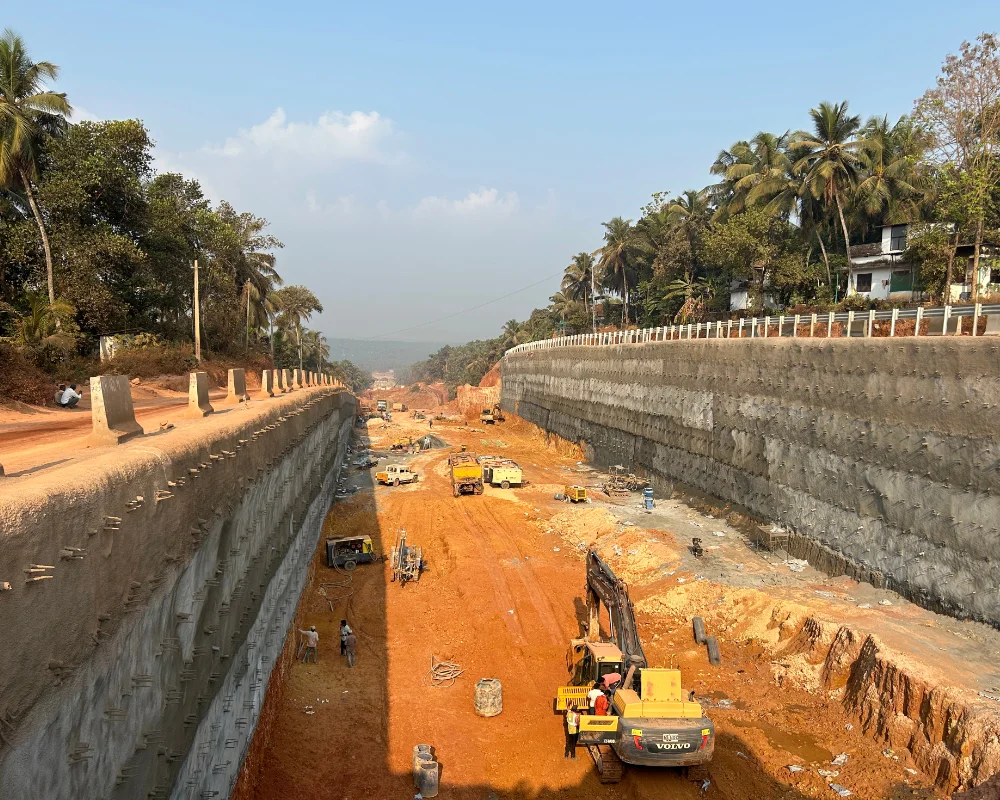
The versatility of Gabion walls allows them to be used across a wide range of infrastructure, environmental, and geotechnical engineering projects.
Common applications include:
- Retaining structures such as Gabion retaining wall systems
- Riverbank and shoreline erosion control
- Slope stabilization for highways and hill roads
- Drainage channel protection
- Bridge abutment protection
- Landscape architecture and urban design projects
Because of these varied uses, Gabion wall installation has become an important technique in geotechnical and civil engineering.
How Long Do Gabion Walls Last?
The durability of Gabion walls depends on material quality, installation practices, and environmental conditions. A properly designed and installed Gabion wall system can last several decades. Most Gabion walls installation projects use galvanized or coated steel mesh baskets that resist corrosion.
The stone fill material also provides excellent resistance to weathering and water flow. With proper Gabion wall construction and periodic inspection, these structures can remain stable and functional for many years.
Choose Savinaya Infratech for Gabion Wall Installation
Selecting the right gabion wall contractor plays an important role in ensuring the long-term performance of Gabion wall installation projects. Savinaya Infratech provides geotechnical and infrastructure solutions including slope stabilization, retaining structures, rockfall protection, and ground improvement works.
The company supports projects that require reliable Gabion wall construction and erosion control solutions. With experience in geotechnical engineering and infrastructure development, the team works on projects that involve Gabion walls installation, retaining structures, and slope stabilization systems.
As a professional Gabion wall installation company, Savinaya Infratech focuses on engineering-based planning, site assessment, and construction practices that support the long-term performance of Gabion wall systems.
Contact us to discuss your Gabion Wall needs.
Conclusion
Understanding the advantages and applications of Gabion wall installation helps engineers and project planners select effective solutions for slope stabilization and erosion control.
The advantages of Gabion walls include excellent drainage, structural flexibility, environmental compatibility, and long-term durability. These features make Gabion walls a practical option for many civil engineering and infrastructure projects. By incorporating Gabion retaining wall installation into project planning, engineers can create stable and efficient structures that perform reliably under varying site conditions.