Every year, India’s monsoon brings life to our cities and farmlands—but it also brings relentless rain that tests the strength of our roads and highways. When slopes get saturated and water starts cutting through the soil, even well-built embankments can weaken, crack, or fail. For roads running along hillsides, riverbanks, or deep cuts, this season can turn small drainage issues into major safety risks.
That’s where gabion wall solutions for highways and road protection come in. Built from wire mesh boxes filled with rock, gabions offer a smart, flexible way to hold soil in place, control water, and stabilize vulnerable slopes during heavy rain.
In this blog, we’ll explore why monsoon is such a challenge for road infrastructure, how gabion walls work in real-world conditions, and the types of gabion structures commonly used to keep highways safer.
Key Takeaways
- Monsoon rain weakens road embankments and slopes.
- Gabion walls give flexible, permeable support in wet conditions.
- They reduce soil erosion, small slips, and landslide impacts.
- Gabions protect drains and safely guide water away from roads.
- Well‑designed gabion systems boost highway resilience in monsoon.
Table of Contents
Why Does Monsoon Create Serious Risks for Roads and Highways?
Monsoon rain doesn’t just wet the surface—it soaks deep into the ground, changing how soil behaves. When embankments and cut slopes around roads absorb water, they lose strength and become more prone to movement and erosion.
Some of the biggest monsoon-related risks include:
- Loss of soil from embankments and shoulders as fast-flowing water washes material away
- Softening of slopes, leading to slips, small slides, or full-scale failures
- Increased pressure behind retaining structures due to water buildup
- Clogged drains and culverts, which force water to find new, destructive paths
- Landslides on hill roads, where saturated rock and soil give way suddenly
In this environment, road agencies and contractors need monsoon slope protection and highway slope protection measures that can handle both water and soil movement—without losing strength when the rains arrive. This is exactly the kind of problem gabion retaining wall solutions are designed to solve.
How do Gabion Walls Protect Roads and Highways in the Rain?
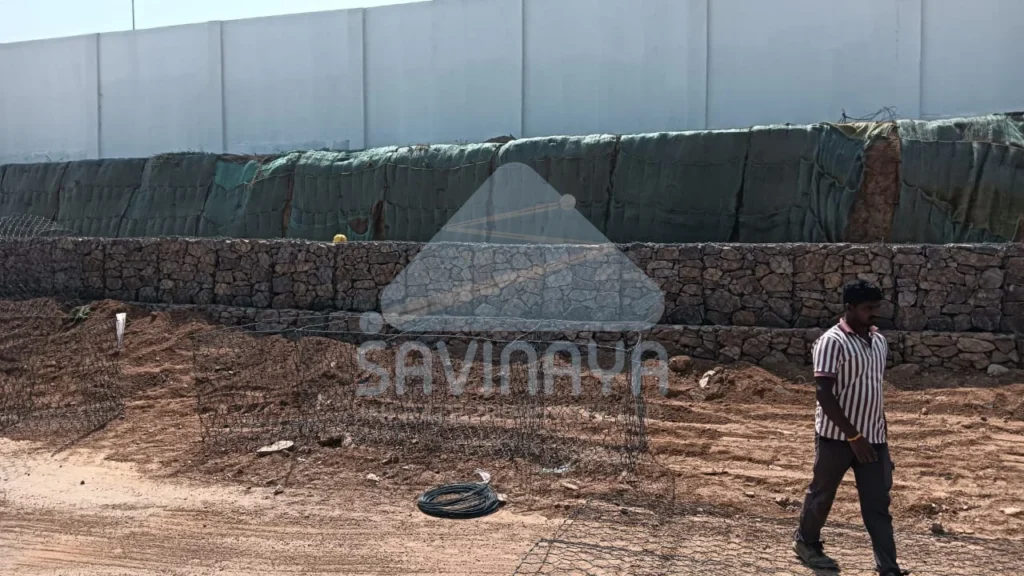
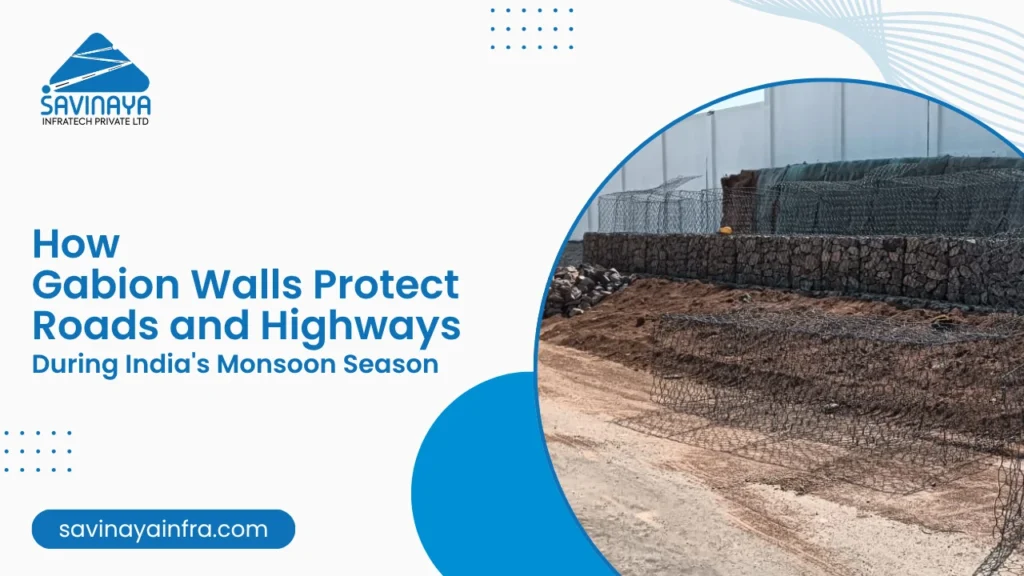
Gabion walls work differently from rigid concrete structures. Instead of resisting every bit of movement, they allow some controlled drainage and settlement while holding the soil safely in place. This makes gabion walls particularly suited for road embankment protection and slope support in areas that see heavy, seasonal rainfall.
Below are some of the key ways gabions help protect roads and highways during monsoon.
1. Preventing Soil Washout
One of the most common problems during monsoon is the gradual washout of soil from roadside embankments and slopes. When water flows along the shoulder or down the slope, it can carry fine particles away, leaving behind weak, undercut sections.
A well-designed gabion wall for road protection acts like a porous barrier. The rock-filled baskets:
- Hold back the soil and prevent it from being eroded
- Allow water to pass through the voids between stones instead of building pressure
- Create a rough surface that slows water down and reduces its erosive power
Over time, this combination helps maintain the original shape of the embankment, reduces maintenance, and minimizes sudden failures caused by undercutting.
2. Stabilizing Hill Road Slopes
Hill roads and ghat sections are especially vulnerable during monsoon, when continuous rain loosens rock and soil on uphill slopes and saturates embankments on the downhill side. In such locations, gabion wall for highways protection can be used as stepped or terraced structures to support both cut and fill slopes.
By placing gabion wall systems at the base or mid-height of the slope:
- The soil mass gains extra support and confinement
- Smaller slips are contained before they affect the road
- The slope can be reshaped into a more stable profile without needing massive rigid structures
Because gabions are flexible and slightly deformable, they can adapt to minor movements without cracking, which is a key advantage in regions where ground conditions change between dry and wet seasons.
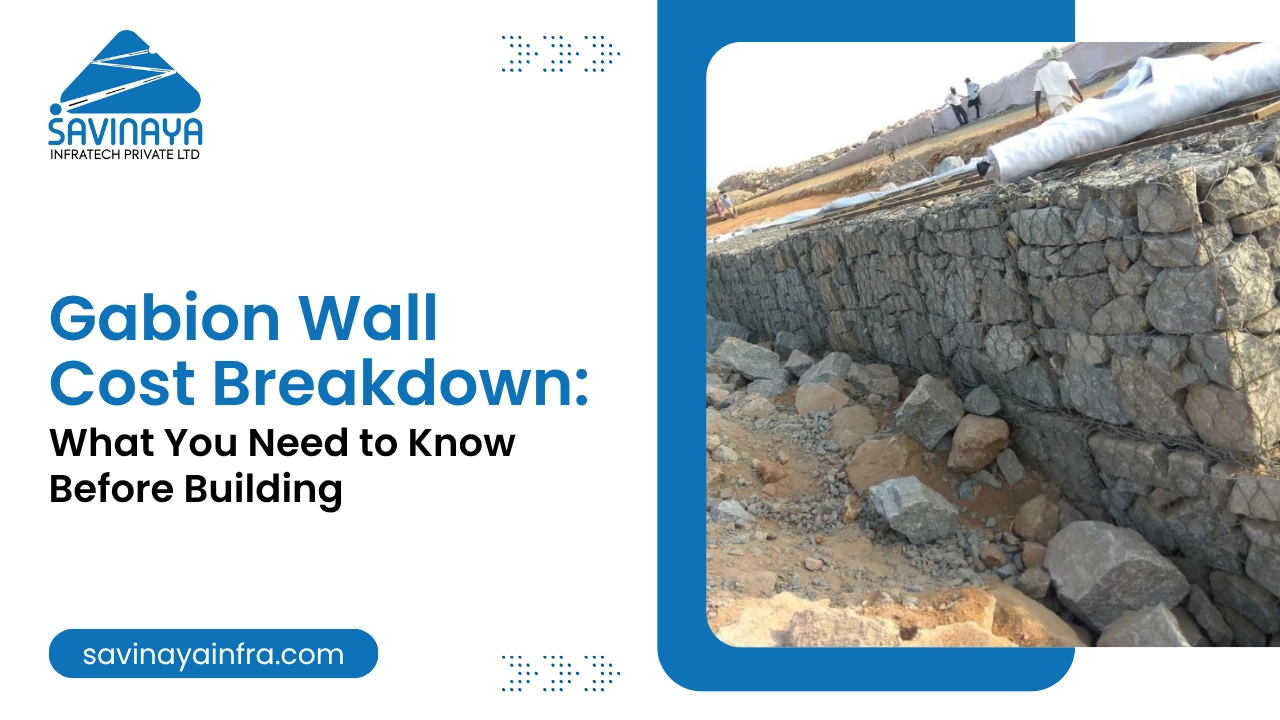
You May Also Read: Gabion Walls vs Retaining Walls: What Are the Differences & Cost Comparison
3. Reducing Landslide Risks
In high-rainfall areas, landslides are a serious concern. While gabions alone may not stop very large, deep-seated landslides, they are extremely effective in managing smaller, frequent failures that often damage roads and block traffic.
Gabion structures can:
- Catch falling debris and rock at the toe of slopes
- Provide a stable toe support that helps prevent further sliding
- Work in combination with other slope stabilization measures like drainage and vegetation
By controlling these smaller failures, gabions play an important role in reducing the overall landslide risk along vulnerable stretches of road.
4. Protecting Roadside Drainage Channels
Monsoon-ready roads depend heavily on good drainage. When roadside drains and channels erode, collapse, or clog, water spills over into the road and embankments, quickly undermining the pavement.
Gabions can be used to line and protect drainage channels by:
- Forming durable channel walls that resist erosion
- Providing rough, stable surfaces that guide water safely
- Preventing the sides of drains from collapsing into the flow
Protecting these drainage paths ensures that water is safely carried away, which in turn protects the road structure itself.
5. Eliminating Hydrostatic Pressure
One of the big silent threats behind any wall or embankment is hydrostatic pressure—the pressure that water exerts when it builds up behind a structure. Traditional solid walls can develop cracks or fail if this pressure is not relieved through weep holes or drainage layers.
Because gabion wall construction is inherently permeable, water doesn’t get trapped behind the wall:
- Water drains through the gabion fill instead of accumulating
- The risk of sudden pressure buildup is reduced
- The structure can perform more consistently during long, heavy rainfall spells
This is a major reason why gabion wall design often makes sense for highway slope protection in wet climates.
6. Controlling Water Flow
In many monsoon-prone regions, the challenge is not just about holding soil—it’s about steering water. Poorly controlled runoff can cut new channels, erode shoulders, and damage structures.
Gabions can be arranged to:
- Guide water along safe paths around embankments
- Break the energy of flowing water so it causes less damage
- Integrate with culverts, headwalls, and other drainage features
By combining soil retention and water management, gabion walls solutions offer an integrated way to protect roads and highways through the wettest months of the year.
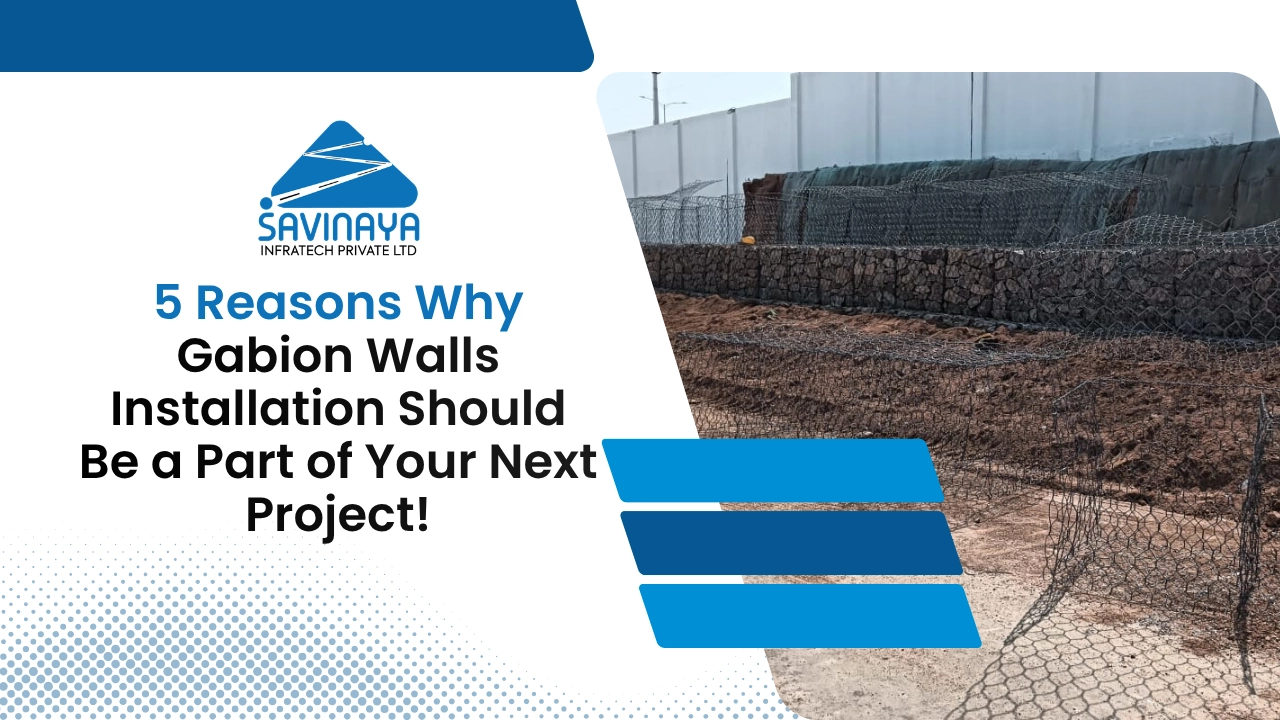
You May Also Read: Gabion Wall Installation: 5 Reasons It Should Be Part of Your Next Project
Types of Gabion Structures Used for Highway & Road Protection
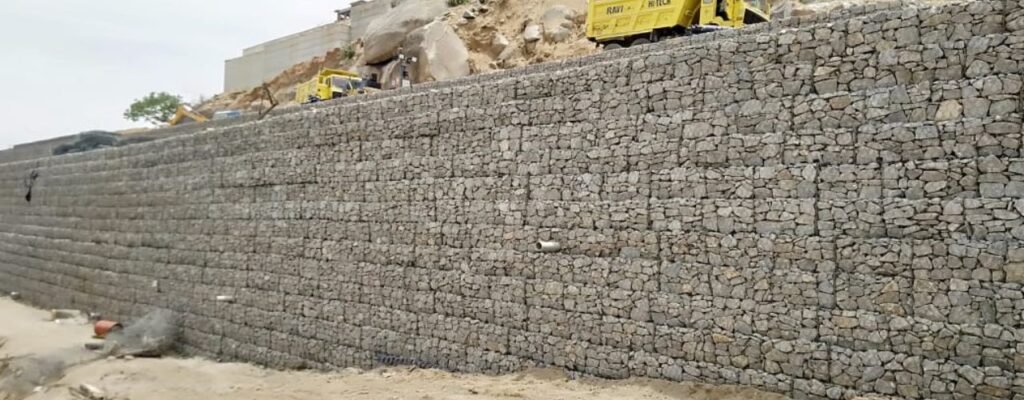
Depending on site conditions, different gabion configurations can be used to protect road infrastructure during monsoon. Common applications include:
- Gabion retaining wall along embankments to support fills and prevent erosion
- Step or terraced gabion walls for cut slopes in hilly or mountainous terrain
- Gabion linings for drainage channels and energy-dissipating structures at culvert outlets
- Gabion revetments along riverbanks or waterways near roads to prevent bank erosion
- Combination systems where gabions work with geo-textiles, vegetation, or other stabilizing elements
An experienced gabion wall contractor will typically assess the local geology, rainfall patterns, and road alignment before recommending a specific gabion wall for highways protection or gabion wall for road protection layout.
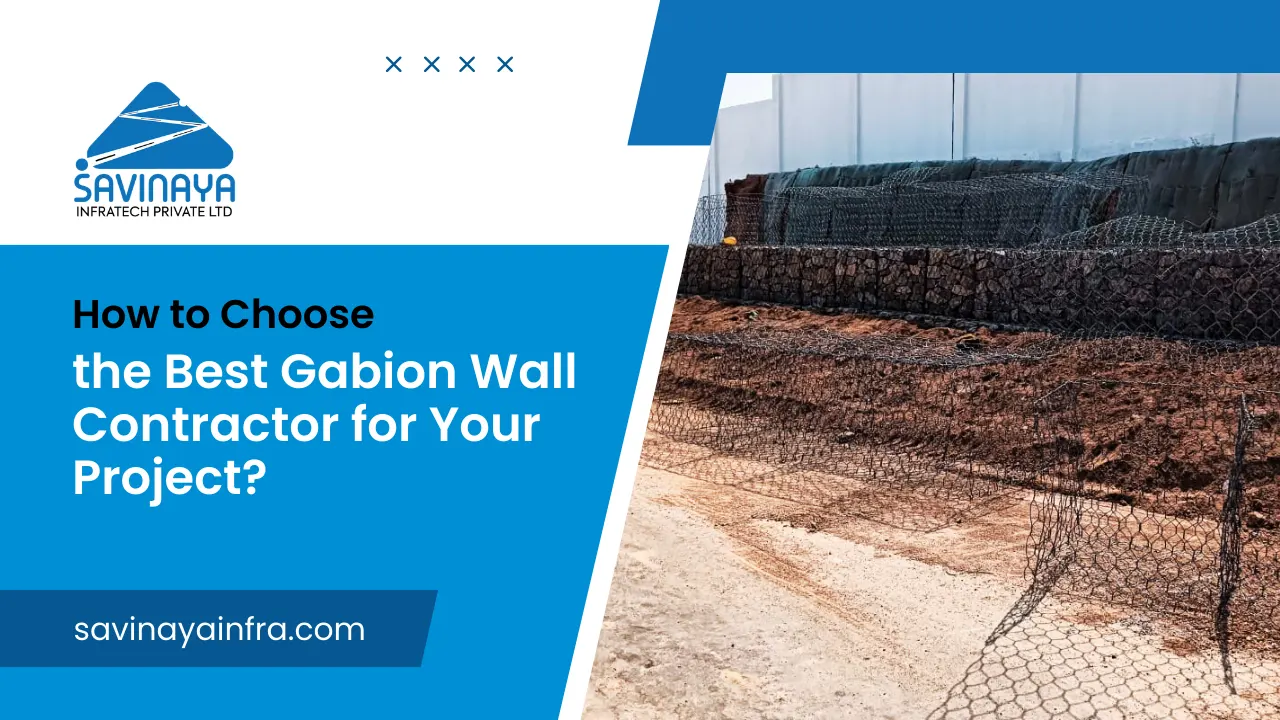
You May Also Read: How to Choose the Best Gabion Wall Contractor for Your Project?
Conclusion
Monsoon will always test the resilience of India’s roads and highways but with well-planned gabion wall for road protection solutions, those risks can be managed far more effectively. By preventing soil washout, stabilizing slopes, reducing landslide hazards, protecting drainage, and relieving water pressure, gabion retaining wall systems offer a practical, durable way to safeguard critical road infrastructure.